
Gambling seems straightforward, but it isn’t. Let's break it down.
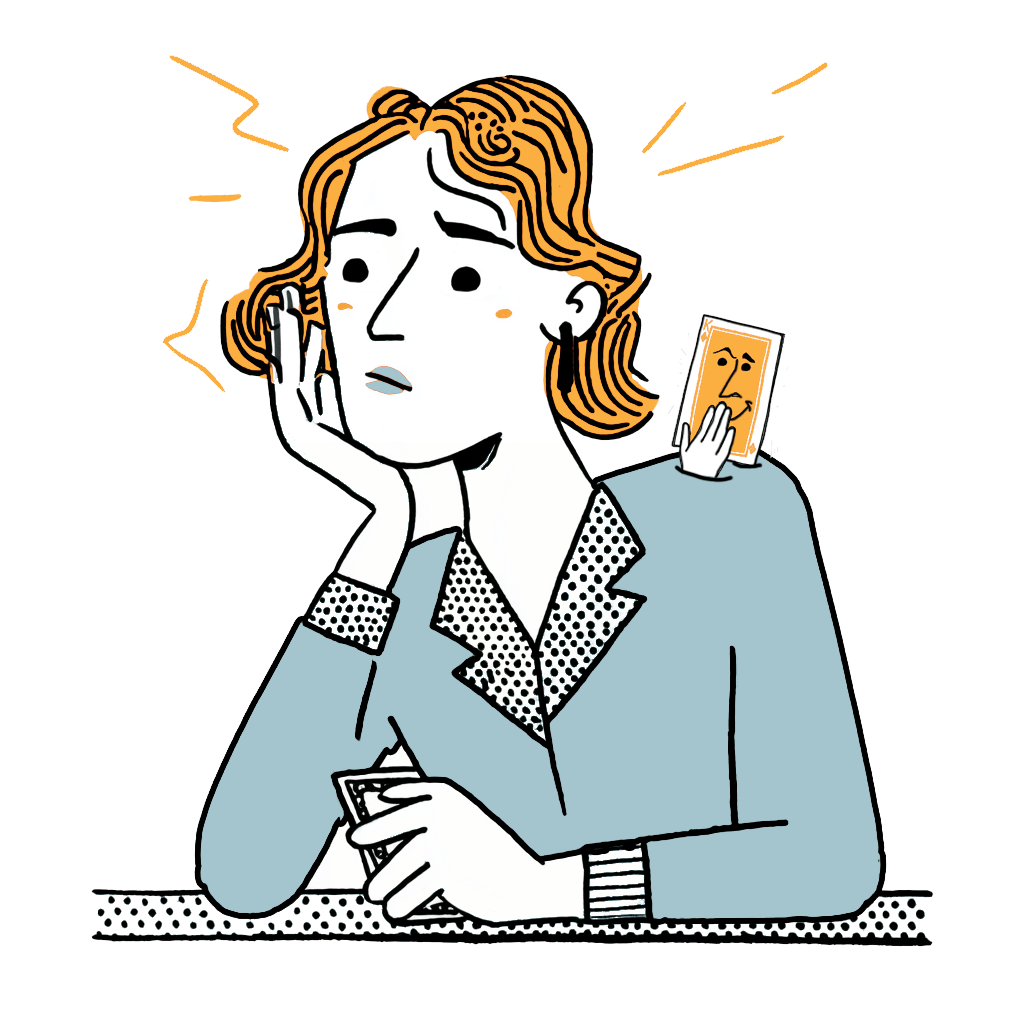
What is Gambling?
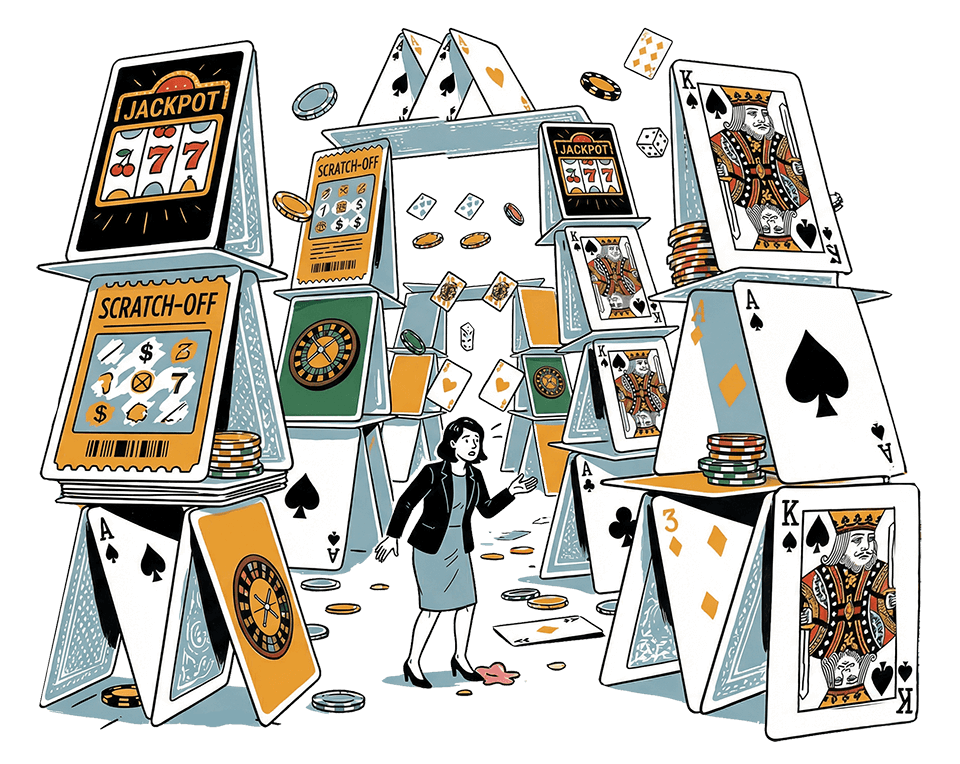
Types of Gambling
Watch out: Easy to lose track of time or money due to the immersive experience
Watch out: Betting apps can lead to impulsive and repeated wagers, especially when “microbetting” on fast-changing events
- Draw Games: Games like Powerball, Mega Millions, or Pick 3 where you choose numbers and wait for a drawing to see if you’ve won
- Scratch Tickets: Instant-win games where you scratch off panels to reveal symbols or numbers
- Keno: A rapid-draw numbers game available in some retail locations
- eInstants: iLottery games, online scratch or casino-style games that mimic the feel of slot machines and can be played from your phone or computer
Watch out: It can feel low-risk and routine, but frequent small purchases can quietly add up to significant losses.
Prediction markets allow people to place money on the outcome of real-world events such as elections, economic indicators, or entertainment awards. Participants buy shares in possible outcomes, and prices shift based on what people think will happen.
Watch out: It can feel like forecasting or investing, but money is still at risk based on uncertain outcomes.
NFTs (non-fungible tokens) are digital collectibles that represent ownership of items such as artwork, trading cards, or in-game assets stored on a blockchain. Their value can change quickly based on trends, demand, and speculation.
Watch out: Prices can change quickly, and it can be easy to spend more money chasing value.
The stock market allows people to invest in companies and build wealth over time. Day trading involves buying and selling stocks quickly to profit from short-term price changes, sometimes within minutes or hours.
Watch out: Frequent, high-risk trading can resemble gambling when decisions are driven by quick wins or losses.
Loot boxes are in-game purchases in video games that give players a random reward such as items, skins, or upgrades. Players pay for the chance to receive a specific item without knowing what they will get.
Watch out: Because rewards are random, repeatedly buying loot boxes to get a desired item can mimic gambling behavior.
Responsible gambling means making informed decisions about how, when, and how much you gamble without letting it negatively impact your life or the lives of others.
Problem gambling is any gambling behavior that disrupts your personal, professional, or financial well-being. It’s not always about how often you gamble. It’s about how gambling affects your life.
What is Problem Gambling?
What is Responsible Gambling?
Click here for more information and resources regarding responsible gambling and safer play.
Signs of Problem Gambling:
- Chasing losses
- Lying about time or money spent gambling
- Gambling to escape stress or problems
- Borrowing money to gamble or bet on sports or fantasy leagues
- Struggling with work, school, or relationships
- Constantly thinking about gambling or betting
- Talking about wins but not losses
- Withdrawing from family and friends to gamble or check bets
- Feeling like stopping or cutting back is impossible
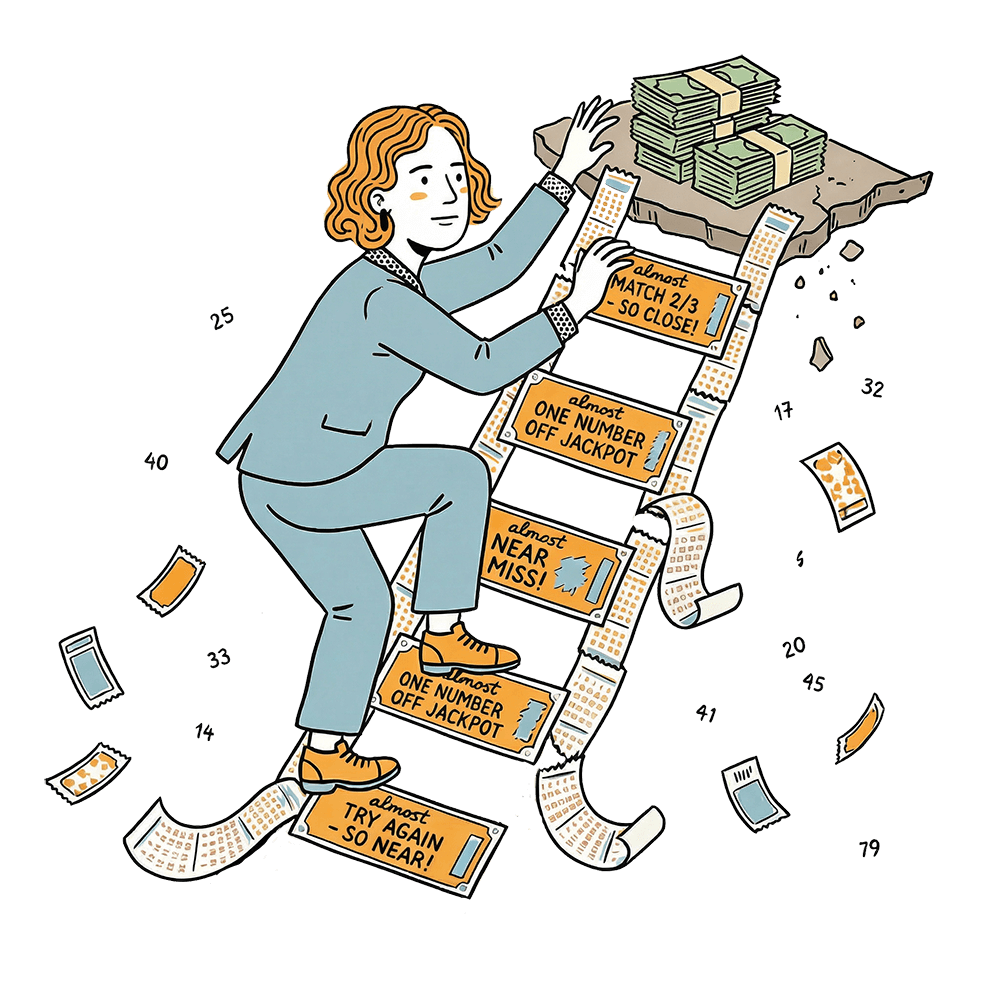

If you have ever answered “yes” to any of the following questions, it may be time to talk to someone.
- Have you ever tried to stop, cut down, or control your gambling but couldn't?
- Have you ever lied to family members, friends, or others about how much you gamble or how much money you’ve lost?